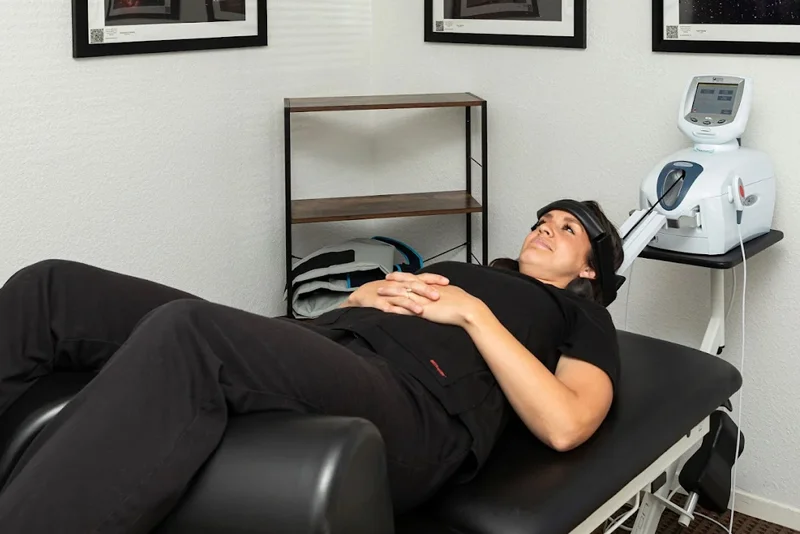
Body positioning is important during lumbar decompression because it influences where traction is directed, how comfortably the patient is supported, and how the lower spine responds during treatment. Small changes in the hips, knees, pelvis, or table angle can alter the way decompression force is distributed. Lumbar decompression is not simply a matter of lying on a treatment table while a fixed amount of force is applied. A decompression chiropractor may adjust positioning based on the patient’s symptoms, mobility, comfort, health history, and response to earlier sessions. How Does Positioning Affect the Lower Back? The lumbar spine is made up of several vertebrae, discs, joints, muscles, and supporting tissues. Their relationship changes slightly depending on whether a person is lying flat, bending the knees, elevating the legs, or changing the angle of the pelvis. During lower back decompression, positioning may be used to direct traction toward a particular part of the lumbar region. The provider may adjust the table, harness, leg support, or pelvic position to create a controlled treatment setup. These adjustments are intended to improve treatment accuracy and comfort. The same position may not be suitable for every patient because symptom patterns and physical limitations vary. Why Are the Knees and Hips Sometimes Supported? Supporting the knees and hips can change tension across the lower back. Some patients may feel more relaxed with their knees slightly bent, while others may need a different setup to prevent muscle guarding or discomfort. When the legs are supported, the lower-back muscles may be able to relax more comfortably. This can help the patient remain still during the session and reduce unnecessary tension around the treatment area. The position may also be adjusted for people who have difficulty lying flat because of hip stiffness, tight muscles,...