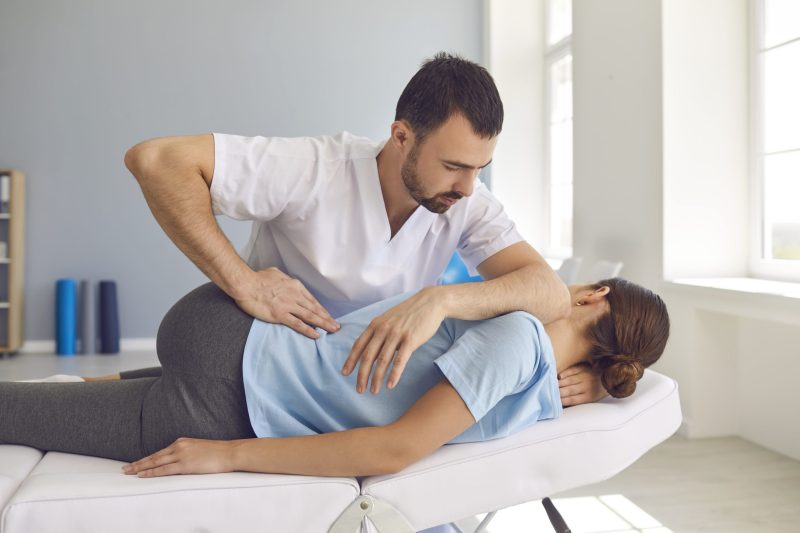
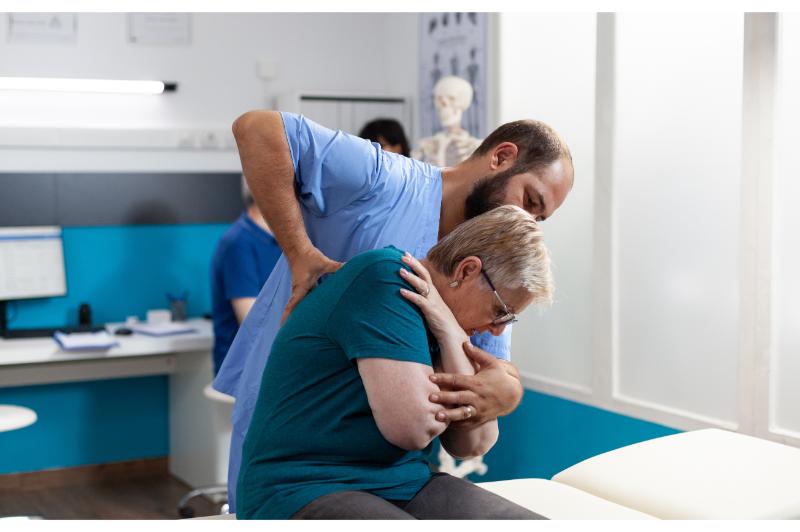
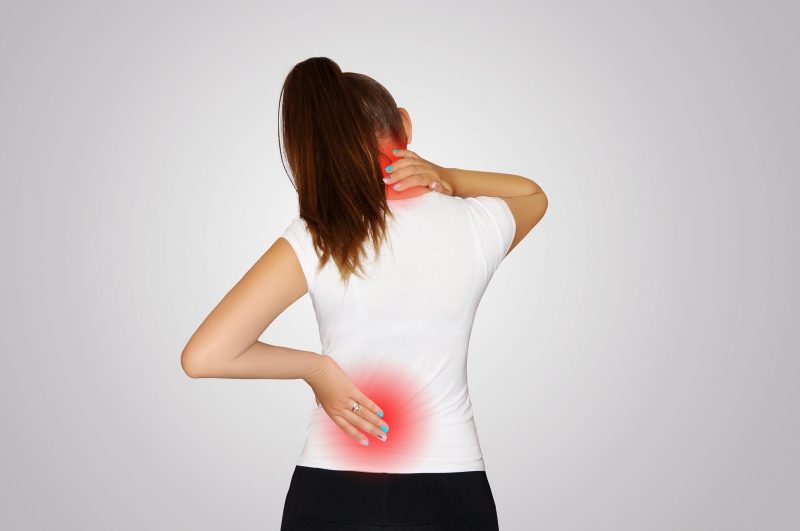
Sports injuries are common among athletes, whether they are professional or recreational. These injuries can range from muscle strains to more complex conditions such as herniated discs, spinal compression, or nerve irritation. To heal properly and get back to peak performance, many athletes seek non-invasive treatments that promote faster recovery with minimal downtime. One of the most effective treatments for sports injuries is spinal decompression therapy. We will explore how spinal decompression treatment enhances recovery for athletes and promotes overall spinal health. What Is Spinal Decompression Therapy? Spinal decompression therapy is a non-surgical treatment aimed at relieving pressure on the spinal discs and the nerves that run along the spine. It is commonly used to treat conditions such as herniated or bulging discs, sciatica, spinal stenosis, and degenerative disc disease. The therapy works by gently stretching the spine to create negative pressure within the discs. This negative pressure helps pull the disc material back into place, which allows the disc to heal and reduces inflammation around the affected area. Spinal decompression therapy can be especially beneficial for athletes who experience chronic back or neck pain due to repetitive movements, poor posture, or previous injuries. By alleviating pressure on the discs and improving the overall health of the spine, this treatment can speed up recovery and reduce pain, allowing athletes to return to their training or competitions sooner. How Spinal Decompression Benefits Athletes Reducing Pain from Spinal Injuries One of the most significant benefits of spinal decompression for athletes is its ability to reduce pain caused by spinal injuries. Whether an athlete is dealing with a herniated disc, sciatica, or muscle strain, spinal decompression therapy helps alleviate the pressure on the discs and nerves in the spine, which can significantly reduce pain. By allowing the...
Spinal Decompression for Athletes: Enhancing Recovery from Sports Injuries...
posted by Paola Nadeau
Spinal Decompression as Part of Post-Surgical Rehabilitation for Lumbar Disc Issues...
posted by Paola Nadeau
Recovering from spinal surgery, particularly for lumbar disc issues, can be a lengthy and painful process. While surgery addresses the structural problems in the spine, the post-surgical rehabilitation phase is critical for ensuring long-term recovery and preventing further issues. Spinal decompression therapy is a non-invasive treatment that has shown to be highly effective in this phase of recovery, helping patients heal faster, reduce pain, and improve mobility. In San Diego, spinal decompression therapy is often used as part of post-surgical rehabilitation to support the recovery process and optimize spinal health. What Are Lumbar Disc Issues? Lumbar disc issues refer to problems involving the intervertebral discs in the lower back. These discs act as cushions between the vertebrae, providing flexibility and support for the spine. Over time, or due to injury, these discs can become damaged, resulting in conditions like herniated discs, bulging discs, or degenerative disc disease. These issues can lead to severe back pain, sciatica, and limited mobility, significantly affecting an individual’s quality of life. In some cases, surgery may be recommended to remove or repair the damaged disc. However, surgery alone does not guarantee a full recovery. Rehabilitation plays a crucial role in ensuring the spine heals properly and that any residual pain or discomfort is minimized. This is where spinal decompression therapy can help. How Spinal Decompression Works for Post-Surgical Rehabilitation Spinal decompression is a non-invasive therapy that involves gently stretching the spine using a motorized table. The goal of spinal decompression is to reduce pressure on the spinal discs and surrounding structures. For post-surgical rehabilitation, this therapy helps by: Reducing pressure on spinal discs: After surgery, the spine may still experience pressure on the healing discs. Spinal decompression stretches the spine, creating negative pressure that helps rehydrate the discs and...
Is Spinal Decompression Right for Sciatica? Understanding the Science and Results...
posted by Paola Nadeau
Sciatica is one of the most common and painful conditions affecting adults in Boca Raton, FL. Characterized by sharp, radiating pain that travels from the lower back down the leg, sciatica can interfere with mobility, sleep, and daily routines. While some people manage symptoms with medication or rest, others search for long-term solutions that address the root cause. This is where spinal decompression treatment has become a widely researched and promising option. Many patients exploring spinal decompression therapy want to understand how it works, why it helps sciatica, and what kind of results they can expect. This blog breaks down the science behind the treatment and helps readers determine if it may be right for them. For those seeking additional information from a reliable chiropractor, South Florida Health Institute offers educational resources. What Causes Sciatica and How Spinal Decompression Helps Sciatica occurs when the sciatic nerve becomes compressed or irritated. The sciatic nerve is the largest nerve in the body, running from the lower back through the hips, into the legs. When pressure builds on this nerve—often due to disc herniation, bulging discs, or narrowing of the spine—pain can radiate along its path. How Spinal Decompression Treatment Supports Sciatica Relief Spinal decompression therapy works by gently stretching the spine using a specialized traction table. This controlled stretching helps reduce pressure on spinal discs, allowing them to retract slightly. This reduces nerve compression, improves disc hydration, and enhances nutrient flow to the affected area. The treatment is designed to: Create negative pressure inside the discs Promote disc realignment Relieve nerve irritation Improve long-term disc function Instead of only masking symptoms, spinal decompression therapy addresses the underlying mechanical cause of sciatica. Many individuals in Boca Raton who search “spinal decompression near me” do so because they...
What Makes Spinal Decompression Different from Other Back Pain Treatments...
posted by Paola Nadeau
For those suffering from chronic back pain, finding an effective and non-invasive treatment can be life-changing. Spinal decompression therapy, offered by trusted providers like Balanced Corrective Chiropractic in Westfield, NJ, is a highly effective, non-surgical treatment designed to relieve pain caused by herniated discs, bulging discs, and other spinal issues. This therapy works by targeting the root causes of back pain and offering long-term relief, helping individuals recover without the need for invasive procedures. Spinal decompression therapy differs from other back pain treatments by addressing the underlying causes of the pain, promoting healing, and offering a natural solution. Whether you’re dealing with a specific injury or age-related spinal degeneration, spinal decompression provides an alternative to surgery and pain medications, helping to alleviate discomfort and improve overall spinal health. What Is Spinal Decompression Therapy? Spinal decompression therapy is a non-surgical treatment designed to alleviate back pain caused by issues such as herniated discs, bulging discs, degenerative disc disease, and sciatica. The goal of this therapy is to relieve pressure on the spine and its discs, promoting healing and reducing pain. During spinal decompression therapy, a chiropractor uses a specialized table that gently stretches the spine in a controlled manner. This stretching creates negative pressure within the affected discs, which helps to reduce pressure on the nerves and allow the discs to retract. The decompression also facilitates the movement of oxygen, water, and nutrients into the discs, aiding in the healing process. How Spinal Decompression Therapy Works Spinal decompression therapy works by targeting the underlying causes of back pain—specifically issues with the spinal discs. These discs, which act as cushions between the vertebrae, can become damaged or degenerated over time due to injury, aging, or repetitive stress. When this happens, the discs can bulge or herniate,...
Spinal Decompression Therapy: A Non-Surgical Option for Treating Herniated Discs...
posted by Paola Nadeau
A herniated disc is one of the most common causes of back pain, affecting millions of individuals worldwide. The pain associated with a herniated disc can be severe, making it difficult to move, work, or enjoy daily activities. While surgery is often considered for severe cases, spinal decompression therapy offers a non-invasive, effective alternative for managing and treating herniated discs. In this blog, we will explore how spinal decompression therapy works, its benefits for herniated discs, and how it can help you find lasting relief from back pain. What Is a Herniated Disc? A herniated disc occurs when the soft, gel-like center (nucleus pulposus) of a spinal disc bulges or ruptures through a tear in the tougher outer layer (annulus fibrosus). This can result in pressure being placed on the nerves in the spine, leading to pain, numbness, tingling, and weakness in the back, legs, or arms. Herniated discs are often caused by aging, wear and tear, or injury to the spine. Risk factors include improper lifting, poor posture, and a sedentary lifestyle. When the disc presses against nearby nerves, it can result in significant discomfort, which may worsen without proper treatment. How Spinal Decompression Therapy Works for Herniated Discs Spinal decompression therapy is a non-surgical treatment designed to relieve the pressure on a herniated disc. This therapy involves gently stretching the spine using a specialized table or device, creating negative pressure within the affected disc. This negative pressure allows the disc to retract back into its proper position, relieving pressure on the nerves and promoting healing. Spinal decompression works by: Reducing pressure on the spinal discs: The gentle stretching helps to create space between the vertebrae, relieving the pressure that a herniated disc places on the surrounding nerves. Promoting nutrient absorption: When the...