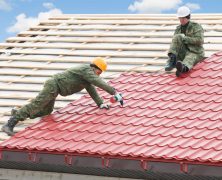
Living in Phoenix, AZ, means dealing with some of the most intense weather patterns in the country. From scorching summer heat to sudden monsoon storms and occasional winter cold snaps, every season puts unique stress on your home’s roofing system. Understanding how these changes affect residential roofing can help homeowners take proactive steps to protect their property, minimize repair costs, and extend their roof’s lifespan. The Summer Heat: UV Damage and Thermal Expansion Phoenix summers are notorious for temperatures soaring above 110°F. Prolonged heat exposure can cause roofing materials to expand, contract, and eventually weaken over time. Asphalt shingles may curl or crack, while tile and metal roofs can suffer from thermal fatigue or fading. Intense ultraviolet (UV) radiation also accelerates the deterioration of sealants and adhesives, making your roof more vulnerable to leaks once the rainy season arrives. Homeowners should perform routine inspections during the summer months to identify early signs of damage, such as warping or discoloration. For lasting protection, some homeowners in Arizona opt for reflective or cool roof coatings that help reduce heat absorption and energy costs. Regular maintenance, paired with timely house roof repair, ensures that minor heat-related wear doesn’t evolve into major roof damage. The Monsoon Season: Wind, Rain, and Water Damage Between July and September, Arizona’s monsoon season brings heavy rains, gusty winds, and occasional hailstorms. These intense weather conditions test the durability of your residential roofing system. Strong winds can loosen or dislodge shingles, tiles, and flashing, allowing water to seep into the underlayment. Once water penetrates these layers, it can lead to leaks, mold growth, and insulation damage. Flat or low-slope roofs are particularly vulnerable to ponding water if drainage systems are not functioning properly. Scheduling professional inspections before monsoon season can help detect weak...
