

In the bustling city of Westminster, Colorado, finding a moment for relaxation and self-care is essential. One of the most effective ways to achieve this is through massage therapy. Massage Therapy in Westminster CO offers numerous benefits that cater to both physical and mental health, making it a valuable practice for anyone looking to enhance their overall wellness. The Physical Benefits of Massage TherapyMassage therapy is more than just a relaxing experience; it’s a potent tool for improving physical health. Here are some key physical benefits: • Pain Relief: Regular massages can significantly reduce pain in various parts of the body, including back pain, muscle soreness, and tension headaches.• Improved Circulation: The techniques used in massage therapy can enhance blood flow, which helps in faster recovery from injuries and reduces swelling.• Enhanced Flexibility: Massage helps loosen tight muscles and increase range of motion, which is particularly beneficial for athletes or those engaged in physical activities. The Mental and Emotional AdvantagesThe benefits of massage therapy extend beyond the physical aspect. It also offers profound mental and emotional advantages: • Stress Reduction: One of the most well-known benefits of massage therapy is its ability to lower stress levels, promoting a sense of calm and relaxation.• Better Sleep: By reducing stress and promoting relaxation, massage therapy can improve sleep quality, which is crucial for overall health and well-being.• Enhanced Mood: Massage can increase the production of endorphins, the body’s natural mood elevators, which can help alleviate symptoms of depression and anxiety. Specialized Techniques in Massage TherapyMassage therapy in Westminster encompasses a variety of techniques, each tailored to meet specific needs. Some popular methods include: • Swedish Massage: Ideal for beginners and those who prefer a gentler touch, Swedish massage helps to promote relaxation and blood circulation.• Deep...

Why Brain Injury Lawsuits in Scottsdale Require Legal Experience...
posted by Paola Nadeau
Filing a brain injury lawsuit in Scottsdale involves complex medical details and legal procedures. Learn what makes these cases unique and why timely legal help matters. Brain injuries are some of the most serious and life-altering conditions a person can experience. They can impact memory, mobility, emotions, and even personality. If you or someone close to you sustained a brain injury in Scottsdale due to another person’s actions or carelessness, the path ahead may feel uncertain. From hospital stays and rehabilitation to changes in daily routines, these injuries affect every aspect of life. Pursuing legal action can be part of the recovery process, but these cases require careful handling. Brain injury claims often involve medical records, diagnostic imaging, and long-term care plans. They’re not simple lawsuits, and the legal process can be overwhelming without guidance. Having support from a legal professional who understands the steps involved can make a big difference. This blog explains what makes brain injury cases so different, why timing is important, and what qualities to look for in a legal representative. Whether your injury happened in a car crash, a fall, or a medical setting, it’s important to understand your rights and how to take action in Arizona. What Makes Brain Injury Cases So Complex? Unlike visible injuries, brain trauma may not show symptoms immediately. A person can seem fine after an accident, only to develop memory loss, confusion, or severe headaches days or weeks later. These symptoms can change over time and may be difficult to connect directly to a single event. That’s what makes legal claims involving traumatic brain injuries (TBIs) more involved than many other types of personal injury cases. In Scottsdale, building a strong claim often means working with medical providers to understand the nature and...

Find the Best Home Health Care Agency in Minneapolis MN...
posted by Paola Nadeau
Finding the right home health care agency in Minneapolis MN is a crucial decision that can significantly impact the quality of life for individuals who require assistance. Whether it’s for yourself or a loved one, understanding what to look for in a home health care provider can make all the difference. This article will guide you through the essential considerations to ensure you find the best fit for your needs. Understanding Home Health CareHome health care encompasses a wide range of medical and non-medical services provided in a person’s home. These services are designed to help individuals maintain their independence and quality of life while receiving the necessary care. In Minneapolis MN, home health care agencies offer services such as skilled nursing, physical therapy, occupational therapy, and assistance with daily living activities. Key Factors to ConsiderWhen searching for a home health care agency in Minneapolis MN, several factors should be taken into account: Accreditation and Licensing: Ensure the agency is accredited by recognized bodies and holds the necessary state licenses. This guarantees that the agency meets specific standards of care and professionalism. Range of Services: Evaluate the types of services offered to match your specific needs. Whether you require medical care, personal assistance, or therapy, ensure the agency can provide comprehensive services. Experience and Reputation: Look for agencies with a proven track record and positive reviews from clients. Experienced agencies are more likely to provide reliable and effective care. Staff Qualifications: Inquire about the qualifications and training of the caregivers. It’s important that they are skilled, compassionate, and capable of providing the necessary care. Personalized Care Plans: A good agency will offer personalized care plans tailored to the individual needs of each client. This ensures that the care provided is both effective and respectful...
Get Back on Your Feet! Custom Orthotics in Jacksonville, FL, for Athletes & Everyday Comfort...
posted by Paola Nadeau
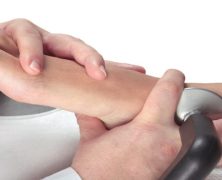
Foot pain and stiffness can have a substantial influence on your daily activities; this can lead to difficulties walking, running, or even standing for long periods. Orthotics offer a practical answer to people suffering from chronic foot ailments by being tailored to your foot structure and archetype. Whether you have plantar fasciitis, flat feet, or diabetic foot issues, orthotics can help distribute pressure evenly, improve posture, and relieve discomfort. This article will explore the benefits of custom orthotics and how it can help athletes and regular people in their daily lives. What are Custom Orthotics? Orthotics are custom-made or prefabricated devices designed to support, align, or improve the function of your feet and lower limbs. They are inserted into your shoes to provide additional cushioning, correct imbalances, and enhance comfort; this makes activities like walking and running more comfortable. Custom orthotics are specifically tailored to your structure, taking into account factors such as arch type, gait, and any existing foot conditions you may have. Furthermore, these devices can help address a variety of foot issues such as flat feet, plantar fasciitis, heel pain, and other common foot and ankle problems. By improving alignment and redistributing pressure, orthotics can reduce pain, prevent injuries, and improve overall mobility, making them a valuable tool for both everyday comfort and athletic performance. When Should You Consider Orthotics? Persistent foot pain, frequent ankle discomfort, or ongoing lower back pain are all indications that you might consider orthotic assistance. Many people wrongly feel that foot discomfort is a normal component of age or physical exercise, but neglecting these symptoms can lead to more serious problems over time. If you wake up with heel pain, difficulties keeping balance, or an atypical stride, visit an expert to see if orthotics in Jacksonville,...

How Ambu White Sensor Electrodes Enhance Patient Monitoring...
posted by Paola Nadeau
In the realm of healthcare, ensuring accurate and reliable patient monitoring is crucial. One of the key components in achieving this is the use of high-quality electrocardiography (ECG) electrodes. Among the various options available, Ambu White Sensor Electrodes stand out for their advanced features and effectiveness in patient monitoring. This article explores how these electrodes enhance the monitoring process, ensuring both healthcare professionals and patients can rely on precise and consistent ECG readings. Understanding Ambu White Sensor Electrodes Ambu White Sensor Electrodes are designed for use in various clinical settings, including hospitals, clinics, and during emergency medical situations. These electrodes are known for their superior design and functionality, which include: High-quality Materials : Made with advanced conductive materials that ensure clear and consistent signal quality. Comfortable Design : Their skin-friendly adhesive minimizes discomfort for patients, even during extended use. Versatile Application : Suitable for both short and long-term monitoring, they are a versatile choice for different patient needs. Key Features and BenefitsThe effectiveness of Ambu White Sensor Electrodes in patient monitoring can be attributed to several key features: Enhanced Signal Quality : These electrodes provide high-quality ECG traces, crucial for accurate diagnoses and monitoring. Strong Adhesion : They are equipped with a strong adhesive that ensures the electrodes stay in place without frequent adjustments, which is particularly important during long-term monitoring. Reduced Artifact Noise : They help in reducing the noise caused by patient movement or other external factors, which can lead to clearer ECG readings and more accurate assessments. Hypoallergenic Construction : The hypoallergenic nature of the adhesive used in these electrodes reduces the risk of skin irritation, making them suitable for sensitive skin. Application in Clinical SettingsAmbu White Sensor Electrodes are utilized in a range of clinical scenarios: Routine Check-ups : For...
Ultimate Guide to Disposable Pants and Shirts for Easy Living...
posted by Paola Nadeau
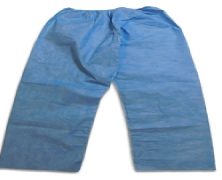
In an era where convenience and hygiene are paramount, disposable pants and shirts have emerged as a go-to solution for various sectors, including healthcare, hospitality, and personal use. These garments offer a practical alternative to traditional clothing, especially in environments that require stringent hygiene measures or where regular laundering is impractical. Let’s explore the benefits and uses of disposable pants and shirts , helping you understand why they might be the right choice for your needs. Benefits of Disposable Pants and Shirts Hygiene and Safety:: • In medical settings or industries where sanitation is critical, disposable clothing prevents the transfer of contaminants and reduces the risk of infection. • These garments are often made from materials that resist penetration by fluids, providing an additional layer of protection. Convenience:: • Eliminates the need for laundering, saving time and reducing logistical burdens in large operations like hospitals or hotels. • Easy to distribute and dispose of, making them ideal for situations where quick garment changes are necessary. Cost-Effective:: • While the idea of disposable clothing might sound expensive, they are cost-effective for certain uses where the cost of laundering and maintaining fabric garments is higher. • Reduces wear and tear on personal clothing, especially in messy environments. Ideal Use-Cases for Disposable GarmentsHealthcare Sector:: • Used by medical staff to prevent cross-contamination between patients and medical personnel. • Often utilized during surgeries or procedures where sterility is paramount. Hospitality and Service Industries:: • Hotels, spas, and beauty salons use disposable garments to maintain a clean and hygienic environment. • Offers a fresh and clean experience for every customer. Personal Applications:: • Ideal for travelers who may not have access to laundry facilities. • Useful in home settings for individuals caring for sick family members or for tasks...