

Recovering from spinal surgery, particularly for lumbar disc issues, can be a lengthy and painful process. While surgery addresses the structural problems in the spine, the post-surgical rehabilitation phase is critical for ensuring long-term recovery and preventing further issues. Spinal decompression therapy is a non-invasive treatment that has shown to be highly effective in this phase of recovery, helping patients heal faster, reduce pain, and improve mobility. In San Diego, spinal decompression therapy is often used as part of post-surgical rehabilitation to support the recovery process and optimize spinal health. What Are Lumbar Disc Issues? Lumbar disc issues refer to problems involving the intervertebral discs in the lower back. These discs act as cushions between the vertebrae, providing flexibility and support for the spine. Over time, or due to injury, these discs can become damaged, resulting in conditions like herniated discs, bulging discs, or degenerative disc disease. These issues can lead to severe back pain, sciatica, and limited mobility, significantly affecting an individual’s quality of life. In some cases, surgery may be recommended to remove or repair the damaged disc. However, surgery alone does not guarantee a full recovery. Rehabilitation plays a crucial role in ensuring the spine heals properly and that any residual pain or discomfort is minimized. This is where spinal decompression therapy can help. How Spinal Decompression Works for Post-Surgical Rehabilitation Spinal decompression is a non-invasive therapy that involves gently stretching the spine using a motorized table. The goal of spinal decompression is to reduce pressure on the spinal discs and surrounding structures. For post-surgical rehabilitation, this therapy helps by: Reducing pressure on spinal discs: After surgery, the spine may still experience pressure on the healing discs. Spinal decompression stretches the spine, creating negative pressure that helps rehydrate the discs and...
Spinal Decompression as Part of Post-Surgical Rehabilitation for Lumbar Disc Issues...
posted by Paola Nadeau

Reduce sports injury downtime by choosing PRP treatment Goodyear AZ professionals...
posted by Paola Nadeau
Athletes and active individuals know that injuries can be a significant setback, threatening both their performance and daily routines. Increasingly, people in the Goodyear, Arizona area are seeking advanced options to accelerate recovery and reduce downtime after sports injuries. For those searching online for PRP Treatment Goodyear AZ, this therapy is gaining attention as a safe and effective way to support the body’s natural healing processes and help return to activity sooner. Understanding PRP Therapy for Sports Injuries Platelet-rich plasma (PRP) therapy utilizes the body’s own blood components to promote faster and more efficient tissue repair. When searching for PRP Treatment in Goodyear, AZ, individuals often seek a minimally invasive solution that leverages cutting-edge regenerative medicine. The procedure involves drawing a small amount of the patient’s blood, processing it to concentrate the platelets, and injecting the enriched plasma directly into the injured area. Platelets contain growth factors that stimulate cellular repair, reduce inflammation, and encourage the regeneration of soft tissue. This approach is widely used for common sports injuries, such as: Tendon injuries (like tennis elbow or Achilles tendonitis) Ligament sprains Muscle strains Joint pain, particularly in the knee, shoulder, and hip PRP therapy is favored by professional athletes and weekend warriors alike due to its focus on natural healing and its reputation for reducing the need for surgical intervention. Benefits of PRP Therapy in Reducing Downtime One of the main reasons athletes and active individuals seek PRP Treatment Goodyear AZ is its potential to significantly reduce the time spent recovering from injuries. Some of the key benefits include: Faster recovery: PRP accelerates the body’s repair mechanisms, helping athletes get back to training and competition more quickly. Minimized risk of complications: Because the treatment uses the patient’s own blood, there is a lower risk...
How Chiropractic Care Can Relieve Stress and Promote Mental Clarity...
posted by Paola Nadeau
In today’s fast-paced world, stress has become an inevitable part of life for many people. Whether it’s work pressure, personal issues, or daily responsibilities, stress can manifest in physical, mental, and emotional forms. While managing stress is essential for overall health, many individuals overlook how chiropractic care can play a crucial role in relieving stress and promoting mental clarity. If you’re looking for a natural, holistic approach to stress relief, chiropractic care might be the solution you need. The Mind-Body Connection: How Stress Affects the Body Stress doesn’t just affect your mind; it has a direct impact on your body. Chronic stress can lead to tension in the muscles, particularly in the neck, shoulders, and back. This muscle tightness can affect posture, leading to discomfort and pain that can make it even harder to relax. Over time, these physical symptoms can contribute to more severe conditions such as headaches, migraines, and even digestive problems. Additionally, stress triggers the body’s “fight-or-flight” response, releasing hormones like cortisol that are meant to help you deal with immediate threats. However, prolonged exposure to these hormones can affect your nervous system, leading to chronic stress, anxiety, and fatigue. Chiropractic care focuses on restoring balance to the nervous system by correcting misalignments in the spine, allowing the body to function more effectively and reducing the negative impacts of stress. How Chiropractic Care Helps Relieve Stress Chiropractic care is a non-invasive, drug-free approach that aims to improve the overall functioning of the nervous system, which plays a key role in how the body responds to stress. Chiropractors focus on spinal health and use spinal adjustments to restore proper alignment and mobility to the spine. These adjustments can have a profound impact on reducing stress and improving mental clarity in several ways....

The Role Of Chiropractic Care In Preventing Back Pain Before It Starts In Arnold, MO...
posted by Paola Nadeau
Many people in Arnold, MO only start thinking about their spine after discomfort interrupts sleep, work, or daily routines. But prevention is often less about avoiding movement and more about improving how the body handles stress, especially the repeated stress of sitting, lifting, commuting, and household tasks. Because back issues can build gradually, chiropractic care is frequently used as a proactive approach to support mobility, posture, and spinal function before pain becomes persistent. Preventive care doesn’t promise that someone will never feel soreness again. Instead, it focuses on reducing common contributors that lead people to search for back pain relief, such as restricted joint motion, poor movement patterns, and accumulated tension. When used early, strategies like a spinal adjustment, targeted mobility work, and basic ergonomics can help many people maintain better function over time. Why Back Pain Often Starts Long Before You Feel It Back discomfort rarely appears out of nowhere. For many, it follows weeks or months of small stressors that gradually change how joints and muscles work together. Common examples include: Long periods of sitting with limited movement breaks Repetitive bending and lifting (work tasks, laundry, yard work) Weak core and glute support leading to compensation patterns Reduced hip mobility that forces the low back to overwork Past injuries that never fully restored normal movement When these factors combine, the spine may develop stiffness or uneven loading. Over time, that can contribute to flare-ups that feel sudden even though the underlying changes were building quietly. Preventive chiropractic care often targets these early patterns by improving motion and addressing mechanical stress before it escalates. How Chiropractic Care Supports Prevention Chiropractic prevention is usually centered on function: how well the spine moves, how posture is maintained during daily tasks, and how efficiently the body...
Golfer’s Elbow Relief: How Shockwave Therapy Targets Stubborn Inner-Elbow Pain...
posted by Paola Nadeau
Golfer’s elbow can be frustrating because it often starts as a mild annoyance and slowly turns into pain that interrupts work, workouts, and everyday gripping. While many people try rest, braces, and stretching, symptoms can linger—especially when the tendon remains sensitive to load. For those searching “shockwave therapy near me” in Davison, MI, one common reason is persistent inner-elbow tendon pain that hasn’t improved with basic care. This article explains what golfer’s elbow is, why it can become chronic, and how shockwave therapy may be used as part of a plan to support tendon recovery. What is golfer’s elbow, and what causes inner-elbow tendon pain? Golfer’s elbow (medial epicondylitis) is a tendon-related condition affecting the inside of the elbow. It involves irritation and degeneration where the wrist-flexor and forearm muscles attach to the medial epicondyle (the bony bump on the inner elbow). Despite the name, golfer’s elbow is not limited to golfers. It can develop from: Repetitive gripping (tools, lifting, carrying) Wrist flexion and forearm rotation (typing, manual work, sports) Heavy pulling or lifting with poor mechanics Sudden increases in training volume or intensity The hallmark symptom is pain or tenderness on the inner elbow that worsens with gripping, lifting, or wrist motion. Some people also feel weakness when shaking hands, carrying groceries, or holding objects for long periods. Why does golfer’s elbow sometimes become “stubborn”? Many tendon issues improve with time and smart rehab. But golfer’s elbow may stick around when the tendon doesn’t regain its load tolerance. That usually happens when aggravating activities continue—often unintentionally—while the tendon is still reactive. Common reasons it becomes persistent include: Rest without rebuilding strength: A tendon may feel better during rest but flare again once activity resumes. Repeated micro-overload: Small, frequent stress can keep symptoms simmering....
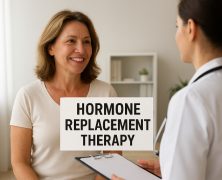
Restore Wellbeing with Hormone Replacement Treatment Glen Rock NJ for Lasting Relief...
posted by Paola Nadeau
Feeling persistently fatigued, experiencing mood swings, or struggling with unexplained weight gain can disrupt daily life and impact overall well-being. Many individuals searching for solutions often turn to Hormone Replacement Treatment Glen Rock NJ to address these symptoms and restore balance. This approach offers a personalized path to relief for those dealing with hormone imbalances, supporting long-term health and vitality. Hormone Replacement Treatment in Glen Rock, NJ, has become a popular search for people seeking to alleviate symptoms such as hot flashes, sleep disturbances, and low energy. By replacing or balancing hormones that the body no longer produces in adequate amounts, this treatment can significantly improve quality of life. Whether due to menopause, andropause, thyroid issues, or other hormonal shifts, hormone replacement therapy (HRT) provides a science-backed method to regain control over one’s well-being. Understanding Hormone Imbalances Hormonal imbalances can occur at any stage of life but are particularly common during middle age. Signs of imbalance may include: Persistent fatigue or lack of motivation Difficulty sleeping or staying asleep Unexplained weight gain or loss Reduced libido or sexual dysfunction Mood swings, anxiety, or depression For residents in Glen Rock, NJ, recognizing these symptoms early can be the first step toward lasting relief. Consulting a qualified healthcare provider ensures the underlying cause is properly identified and the most effective treatment is selected. Benefits of Hormone Replacement Therapy Choosing hormone replacement therapy can lead to numerous benefits, including: Enhanced energy levels and improved mood Better sleep quality and mental clarity Reduction in hot flashes and night sweats Improved sexual function and libido Support for bone density and cardiovascular health Modern HRT protocols are highly customizable, allowing for tailored dosing and delivery methods such as pills, patches, creams, or injections. This individualized approach maximizes positive outcomes while...