


What You Should Know About Bair Hugger for Safer Surgical Patient Warming in Hospitals
Maintaining a patient’s body temperature during surgery is crucial for reducing complications and ensuring a safer recovery. Hypothermia, or a drop in core temperature, can increase the risk of infection, prolong hospital stays, and slow down healing. For those seeking effective strategies to keep patients warm in the operating room, the Bair Hugger system is a widely used solution that has become a standard in surgical care. Understanding how it works, its benefits, and considerations for safe use is essential for both healthcare professionals and patients.
How Bair Hugger Works
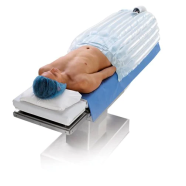
The Bair Hugger system utilizes forced-air warming technology to help maintain normal body temperature during and after surgery. The device consists of a warming unit connected to a specially designed blanket. Warm air is gently blown through the blanket, which is draped over the patient. This method delivers consistent, controlled heat without direct contact, making it suitable for a variety of surgical procedures.
Key features of the Bair Hugger system include:
• Adjustable temperature settings to match patient needs
• Disposable blankets to help prevent cross-contamination
• Versatile designs for use on different parts of the body
By providing targeted warmth, the system helps to minimize the risk of perioperative hypothermia and its associated complications.
Benefits of Patient Warming During Surgery
Using advanced patient warming techniques in the operating room offers several important benefits:
1. Reduces Risk of Surgical Site Infections Maintaining normothermia can help lower the risk of infections at the surgical site by supporting the immune response.
2. Improves Patient Comfort and Recovery Patients who stay warm during surgery often experience less discomfort and recover more quickly, reducing their overall hospital stay.
3. Decreases Blood Loss Keeping the body at a stable temperature helps blood clot more effectively, which can reduce the need for transfusions.
4. Enhances Anesthesia Outcomes Warming systems support better anesthesia management by stabilizing vital signs throughout the procedure.
Safety Considerations and Best Practices
While the Bair Hugger system is generally safe and effective, proper use is critical to achieve optimal outcomes and minimize risks. Healthcare teams should:
• Follow manufacturer guidelines for setup and operation
• Monitor patient temperature regularly throughout the procedure
• Select the appropriate blanket design based on the type of surgery and patient size
• Ensure adequate airflow to prevent overheating or burns
Training and adherence to best practices are essential for maximizing the benefits of forced-air warming systems while ensuring patient safety.
What Patients Should Know
For patients undergoing surgery, it’s reassuring to know that temperature management is a priority. Patients are encouraged to discuss any concerns about surgical warming devices with their healthcare team. Understanding the role of patient warming in preventing complications can help promote a smoother surgical experience and recovery.
Open communication with medical professionals about any allergies, sensitivities, or previous reactions to warming devices can further enhance safety.
Key Takeaways
Effective temperature management in the operating room is vital to patient safety and recovery. The Bair Hugger system has become a trusted tool for surgical teams, offering a reliable and non-invasive way to maintain normothermia. By understanding how this technology works and the importance of proper use, both healthcare providers and patients can contribute to safer, more comfortable surgical outcomes. Prioritizing patient warming is a simple step that can yield significant benefits before, during, and after surgery.
Recent Comments